August 16, 2026
Clinic Website Guide: Trust Before the Appointment
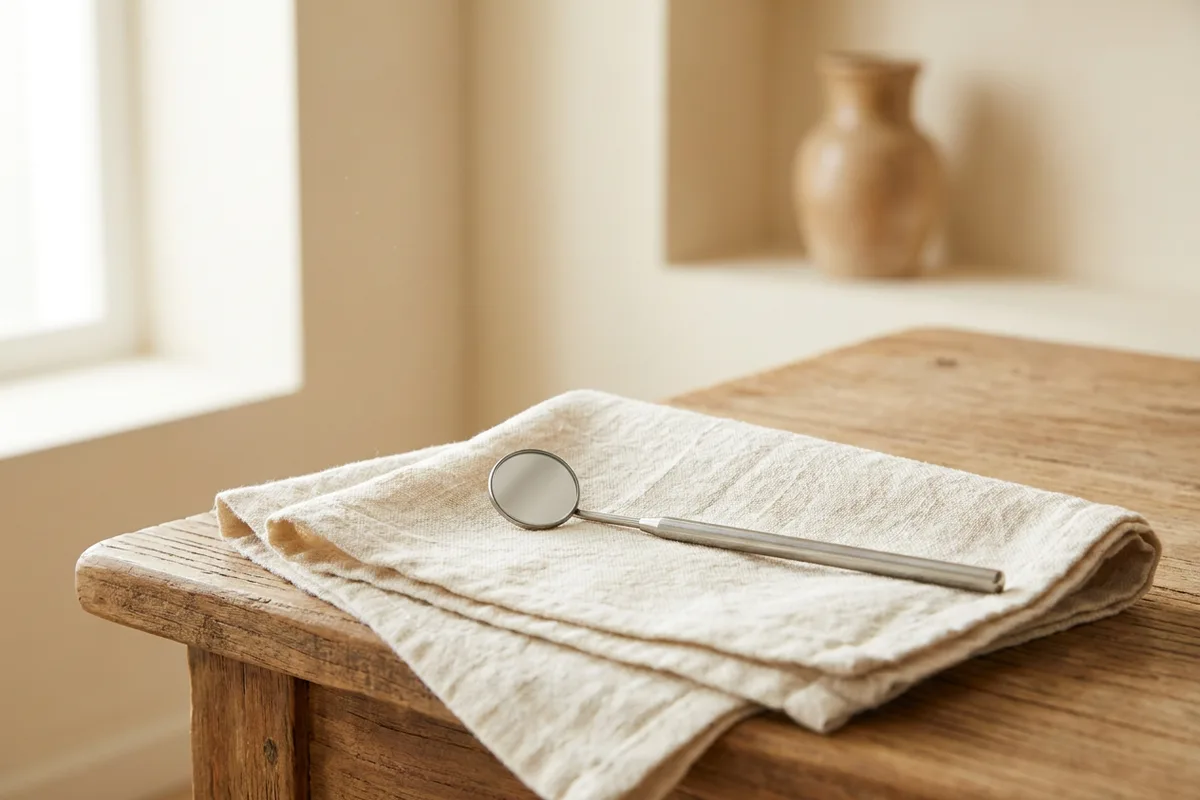
Picture someone in Çankaya looking for a dental clinic. Their tooth aches, they’re nervous, and before picking up the phone they look you up. What do they find on your site? A stock photo — a smiling model in a white coat who has never set foot in your clinic — and the sentence "patient satisfaction is our priority"? Or your doctor’s real face, your clinic’s real corridor, and a plain answer to "what happens at the first appointment"? A clinic website has one job, and it isn’t a booking module: building trust before the phone rings. In healthcare it’s not customers who arrive but patients — and patients look for trust before price.
Real faces, a real place
The biggest mistake in healthcare websites is sterile anonymity. A real photo of the doctor and the team, with a sincere two-sentence introduction — where they trained, how many years in practice, why this field — builds half the trust on its own. Show the clinic itself too: the waiting room, the treatment room, the equipment. When patients arrive, they should recognize the place from the photos; the feeling of "it looked bigger online" costs trust before any treatment begins. Stay away from stock images entirely — patients can spot a stock smile. Titles and diplomas belong on the page, of course; but on a shelf, behind the human story — not in front of it.
"What happens at the first appointment?"
What delays a booking is usually not the price but the fear of the unknown. Add a short "how we proceed" section: how long the first appointment takes, what happens, what doesn’t, what to bring. A patient FAQ of three to five items — "does it hurt", "can treatment start the same day", "which insurers do you work with" — cuts the questions you answer on the phone all day and walks the hesitant patient through the door. Be honest about pricing too: even without exact figures, publishing the examination fee and payment options shrinks the uncertainty.
Booking: phone + WhatsApp is enough
Instead of complex booking systems, two channels: a phone number that dials when tapped and a WhatsApp that opens in one tap, with the message ready: "Hello, I’d like to book an examination. Could you tell me your available days?" Put your opening hours and what to do in an emergency on the same page. A calendar-based online booking module is a tool for multi-doctor clinics with strong front desks; in a small clinic, a calendar that looks free but isn’t damages trust at the very first contact.
Reviews: the strongest medicine
Patients want to hear about a doctor from other patients. Your Google reviews are read more than your website; building a steady stream of them — as we laid out in our reviews guide — is the highest-return work a clinic can do. Carry your two or three strongest reviews onto the site as well, with permission. With before/after photos, be restrained and always work with written consent; in healthcare, privacy comes before marketing. Even the calm, respectful answer you give to a negative review tells the reading patient what kind of clinic you run.
Don’t write an encyclopedia
An honest warning: don’t write five-thousand-word pages for every treatment. Nobody is reading your "what is an implant" article; the big health portals won that search long ago. What patients expect from you isn’t an encyclopedia but answers to three questions: do you do this, can I trust you, how do I reach you? Describe each treatment in a paragraph, and spend your energy on the faces and the trust.
The same skeleton
The page layout is the same as every small business: our five pages guide holds for clinics too — your services page is called treatments. You can see how it can look, live, in our Nova Dent Studio template.
If you’d like a clinic site that builds trust before the phone rings, get a free quote — let’s look at it together, through a patient’s eyes.